Apple once again shows why long-term software support is one of its biggest competitive advantages. The series iPhone 11, which debuted in 2019, received support for the system iOS 27. This means that phones that are almost seven years old are still getting the latest version of the operating system, which is an exceptional feat in the mobile world.
But how is Xiaomi doing? Although the Chinese manufacturer cannot Applem rival in the number of major operating system releases, has made huge strides in long-term support in recent years. And the differences between the two approaches are not as clear-cut as they might seem at first glance.
You might be interested in
Apple sets the bar record high
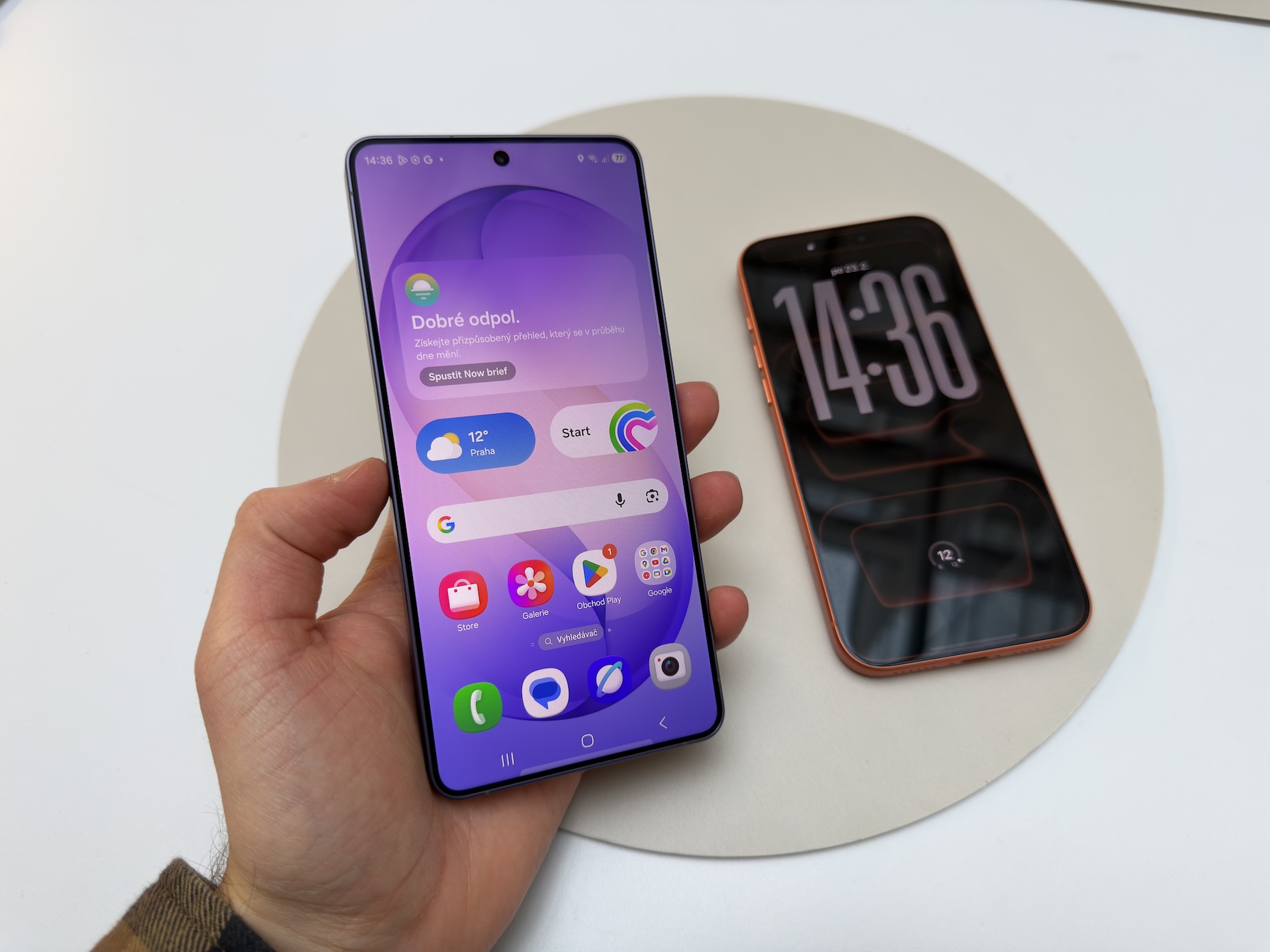
iPhone 11 iPhone 11 For i iPhone 11 Pro Max were launched with iOS 13. Support iOS The 27 thus represents an exceptionally long life cycle that does not have many competitors among mainstream smartphones.
For users, it's not just about the new version number. Longer software support means better security, longer app compatibility, and higher resale value. That's why older iPhones hold their value significantly better than most of their competitors.
Xiaomi is betting on a different strategy
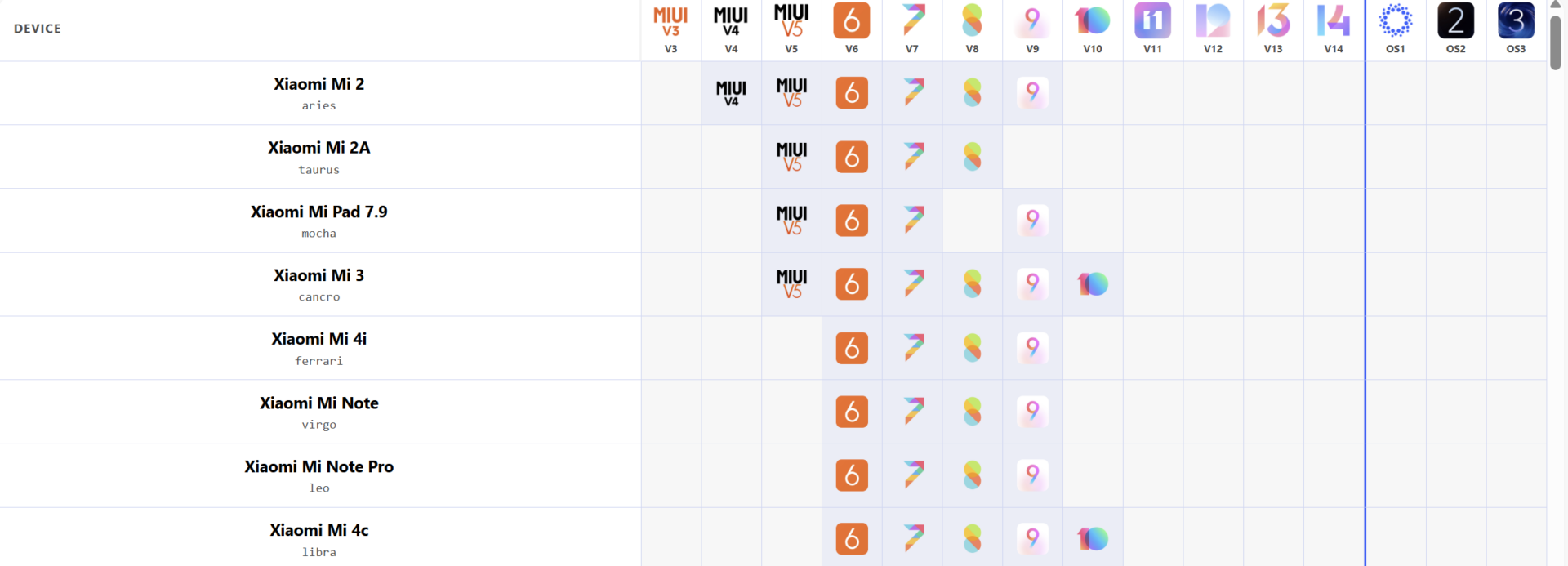
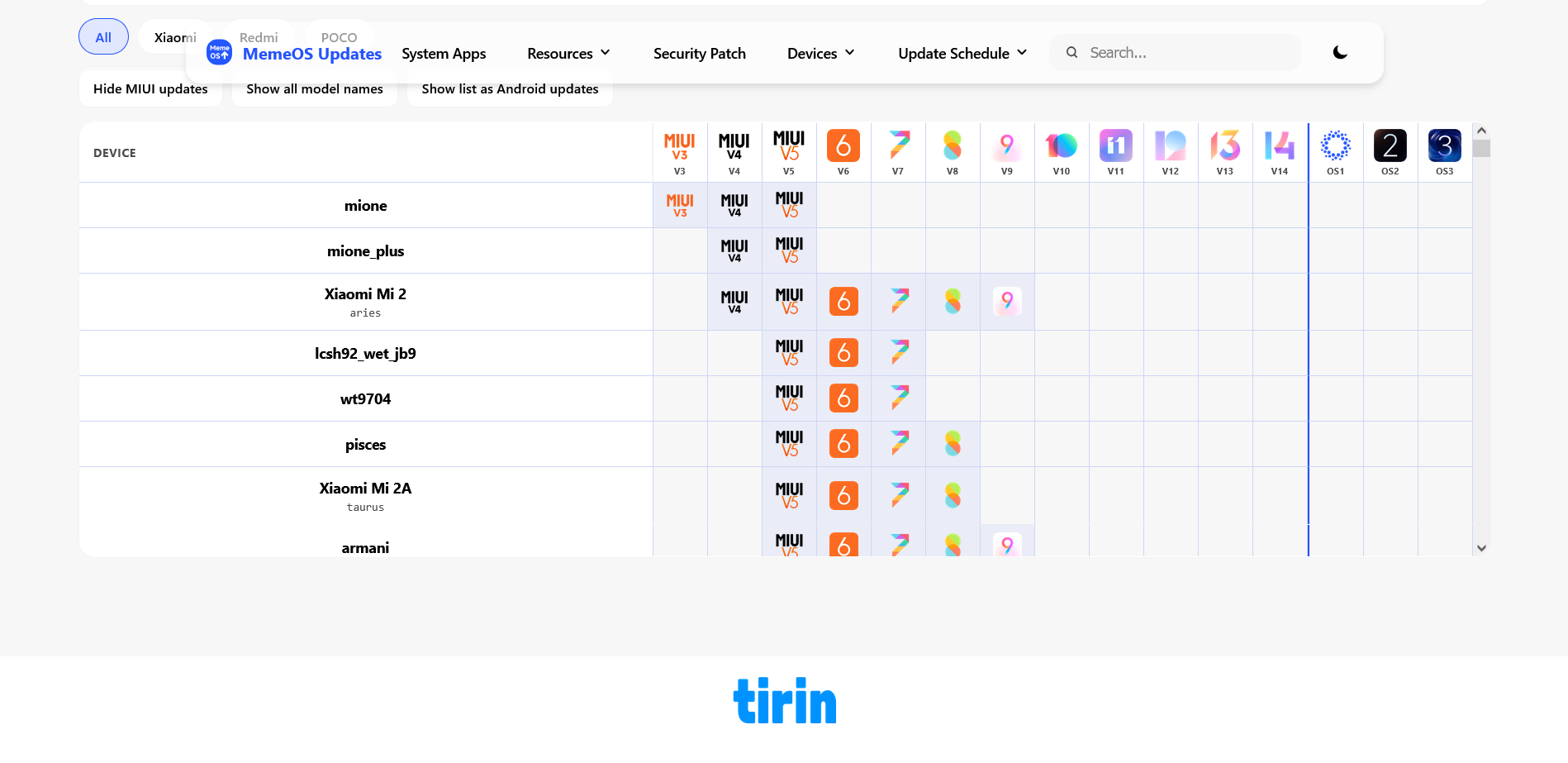
However, the comparison with Android is not entirely fair. For many years, Xiaomi separated updates to Android itself from updates to its MIUI superstructure, now replaced by HyperOS.
In practice, this meant that the phone did not have to receive a new version of Android, but it still received new features, redesigned environments, optimizations, or security patches through MIUI or HyperOS . From the perspective of the average user, the device often looked modern even several years after its launch.
Some of the legendary models with the longest support include:
- Xiaomi Mi 2
- Xiaomi Mi 3
- Xiaomi Mi 10 and Mi 10 Pro
- Xiaomi Mi 11 and Mi 11 Pro
- Xiaomi 12 series
- Xiaomi 13 series
- current Xiaomi 14 series
Gallery

Android is aging much more slowly today
Moreover, the situation has changed significantly over the past few years. While each new version of Android used to be essential, today most applications work without problems on Android 10 or 11. Banking applications, social networks, navigation and common work tools are still fully usable.
This means that the number of major updates alone is no longer the only indicator of a phone's lifespan. Regular security patches, system app updates, and performance optimizations also play a big role.
Xiaomi significantly extends support for new models
While older Xiaomi phones typically received two to three major Android updates, the current strategy is significantly more ambitious. The manufacturer's latest flagship models are guaranteed up to four major Android versions and six years of security updates.
That's still not enough for record support. Applu, but the difference is gradually decreasing. At the same time, it is clear that Xiaomi considers long-term software support as one of the main arguments in the fight against Appleother premium phone manufacturers.
HyperOS also plays a significant role, connecting not only smartphones but also tablets, wearables, TVs and smart homes. This unified ecosystem allows manufacturers to distribute new features more efficiently than in the past.
Who is the real winner?
If we evaluate purely the number of major operating system versions, iPhone 11 today represents one of the longest-supported smartphones in history and Apple remains the clear market leader.
But Xiaomi shows that the situation in the Android world is far from the same as it was a few years ago. Thanks to HyperOS, longer software support for new devices and increasingly long security updates, the gap is gradually narrowing. Moreover, what matters most to users is how long the phone remains safe, fast and problem-free in everyday use - and it is in this area that Xiaomi has made the greatest progress in its history in recent years.