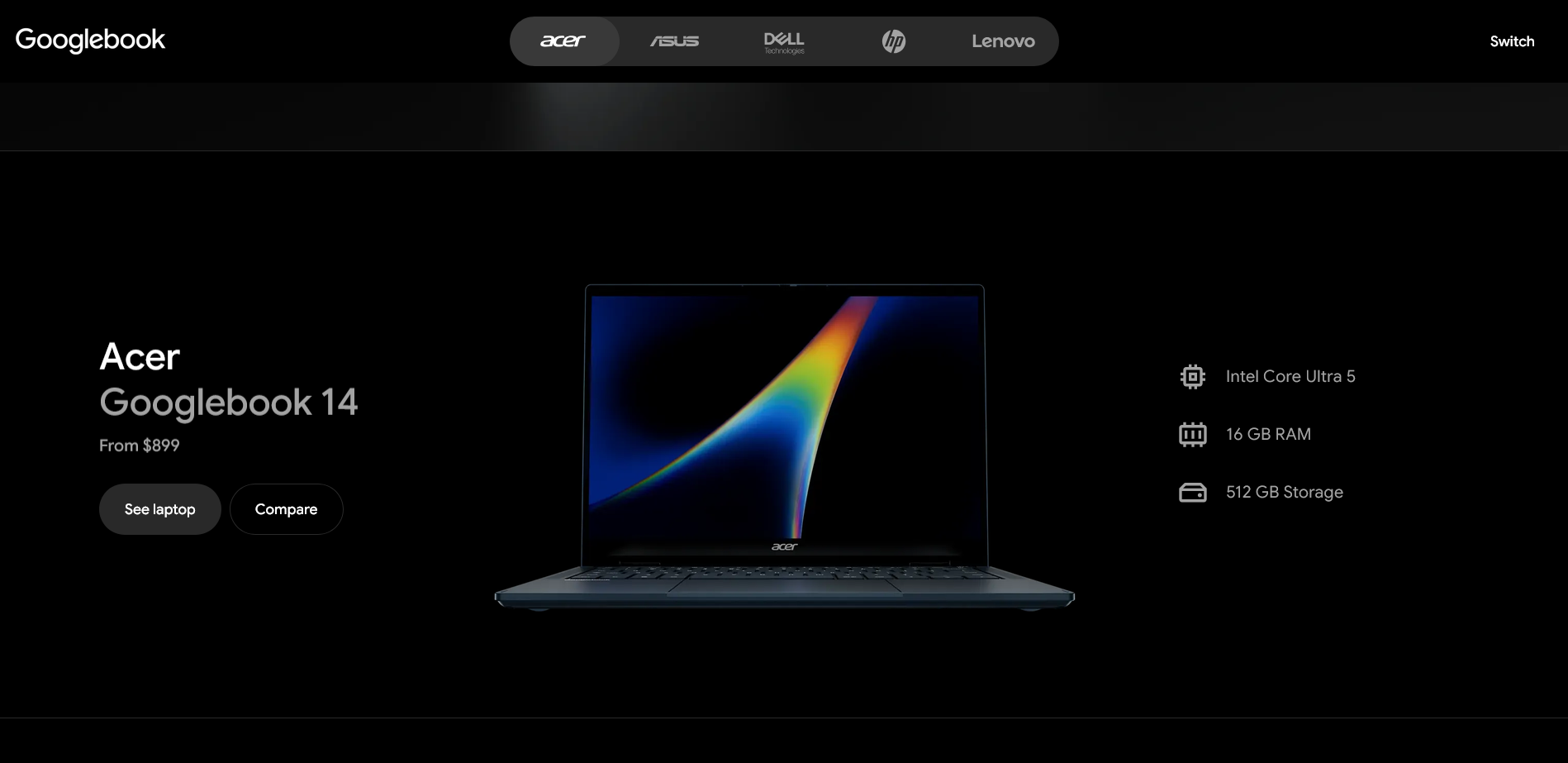
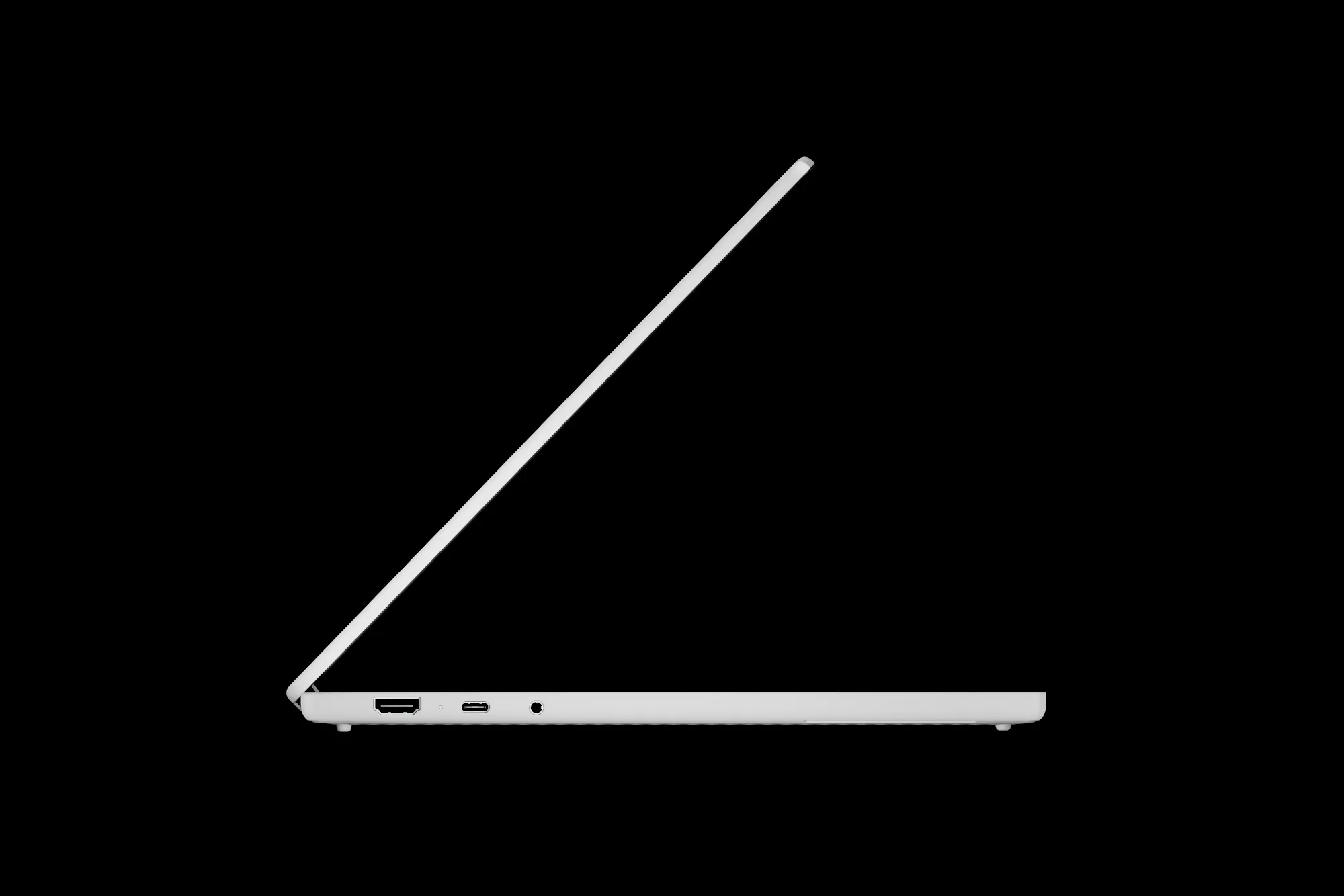
Google introduced its first Android laptop in September, ambitiously calling it the Googlebook. The price starts at $900 for the most basic model, with more advanced laptops starting at $1,200. That's not much, and people quickly showed interest in the first units - and according to Google, the already produced series sold out during pre-orders. But I'm not sure if the Googlebook is what people need. So I bought a Chromebook instead.
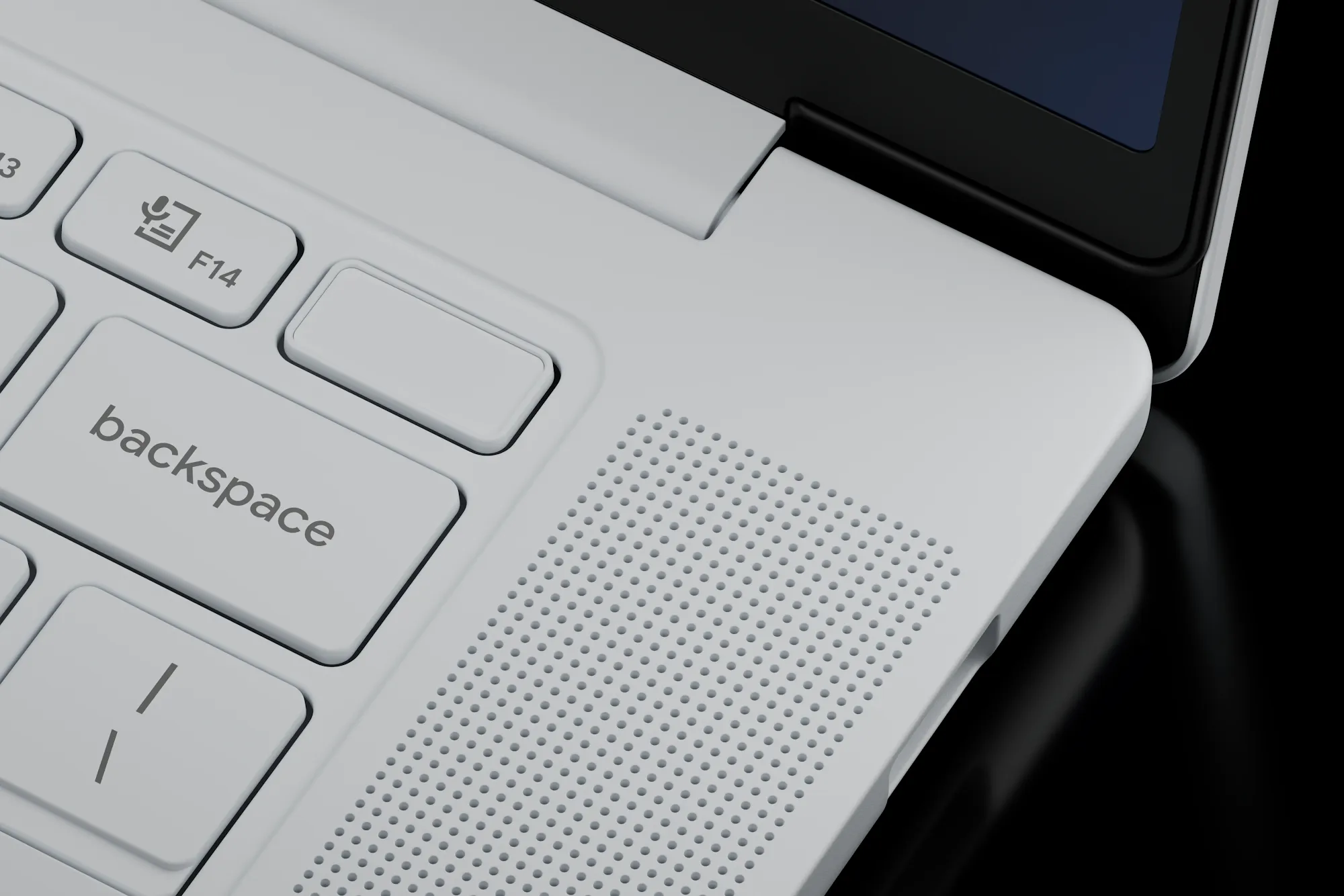
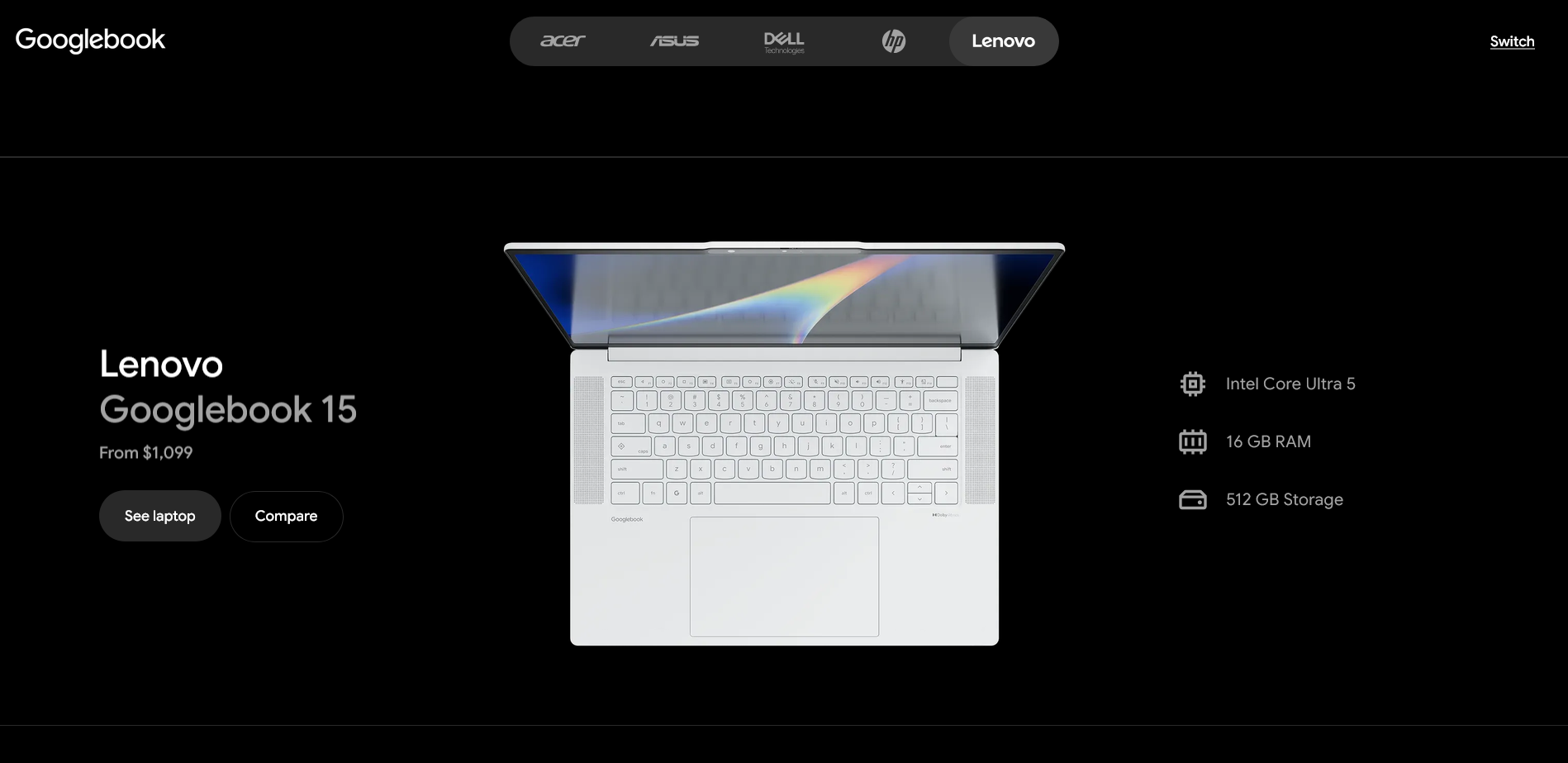
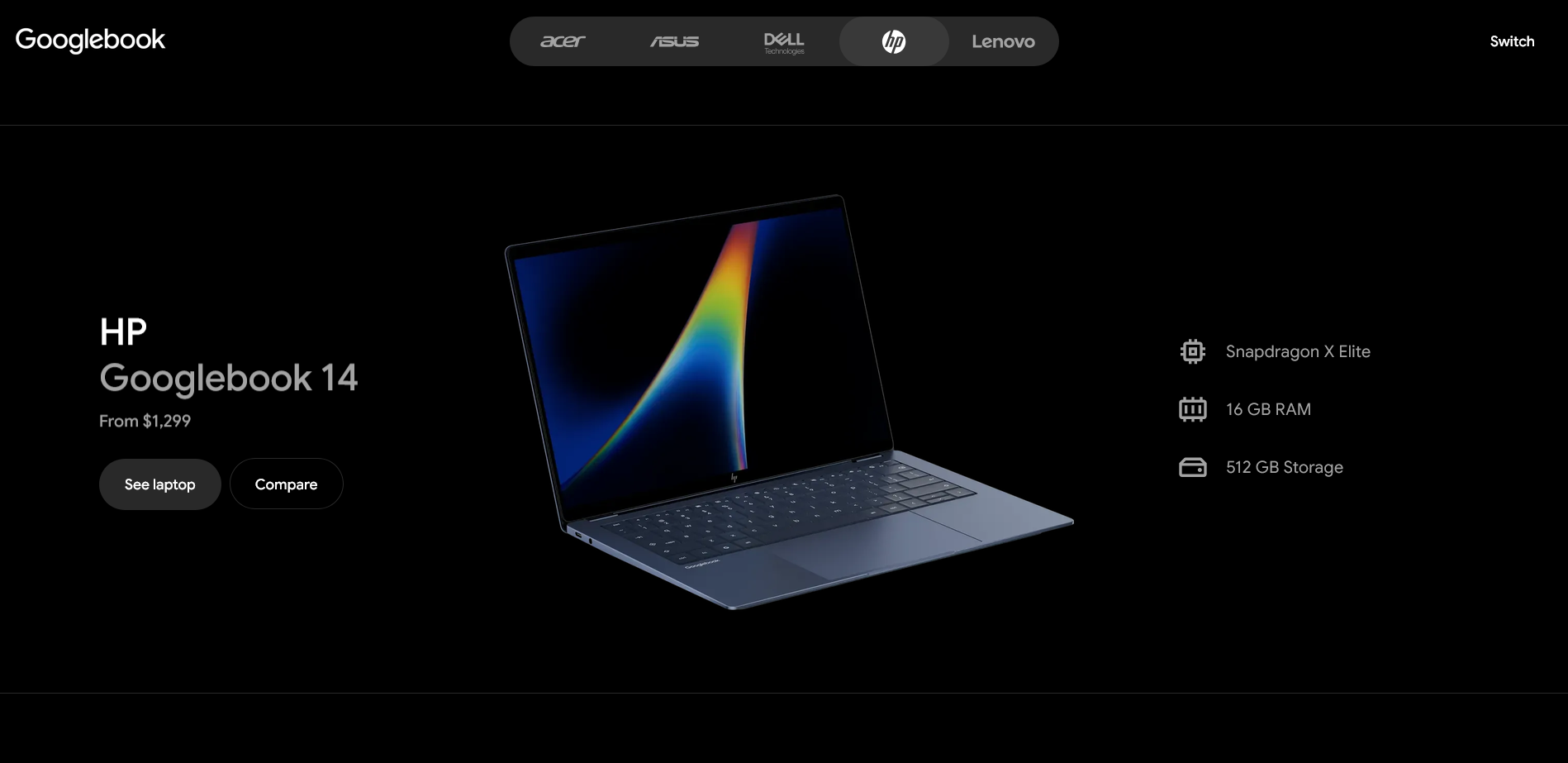
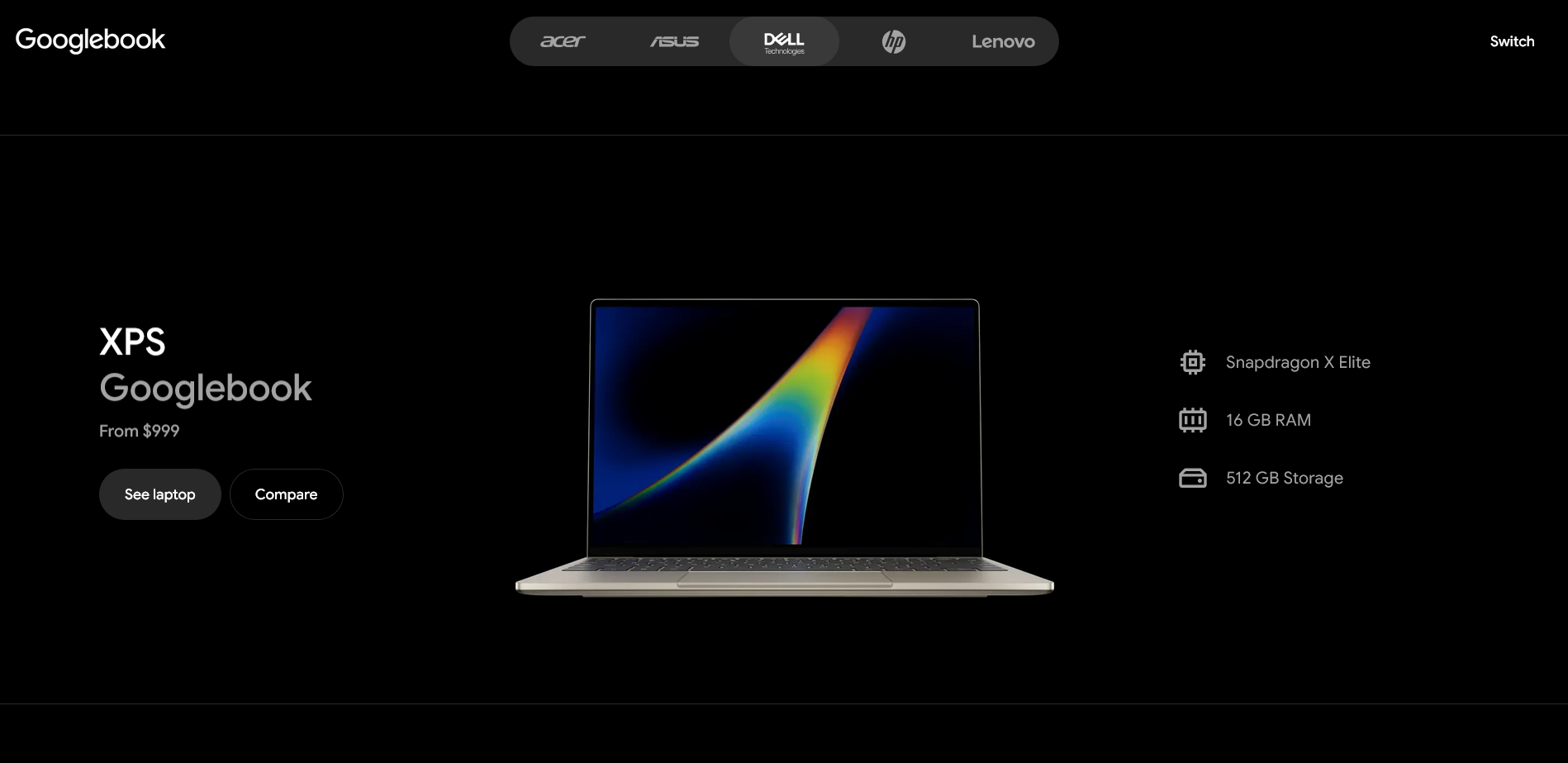
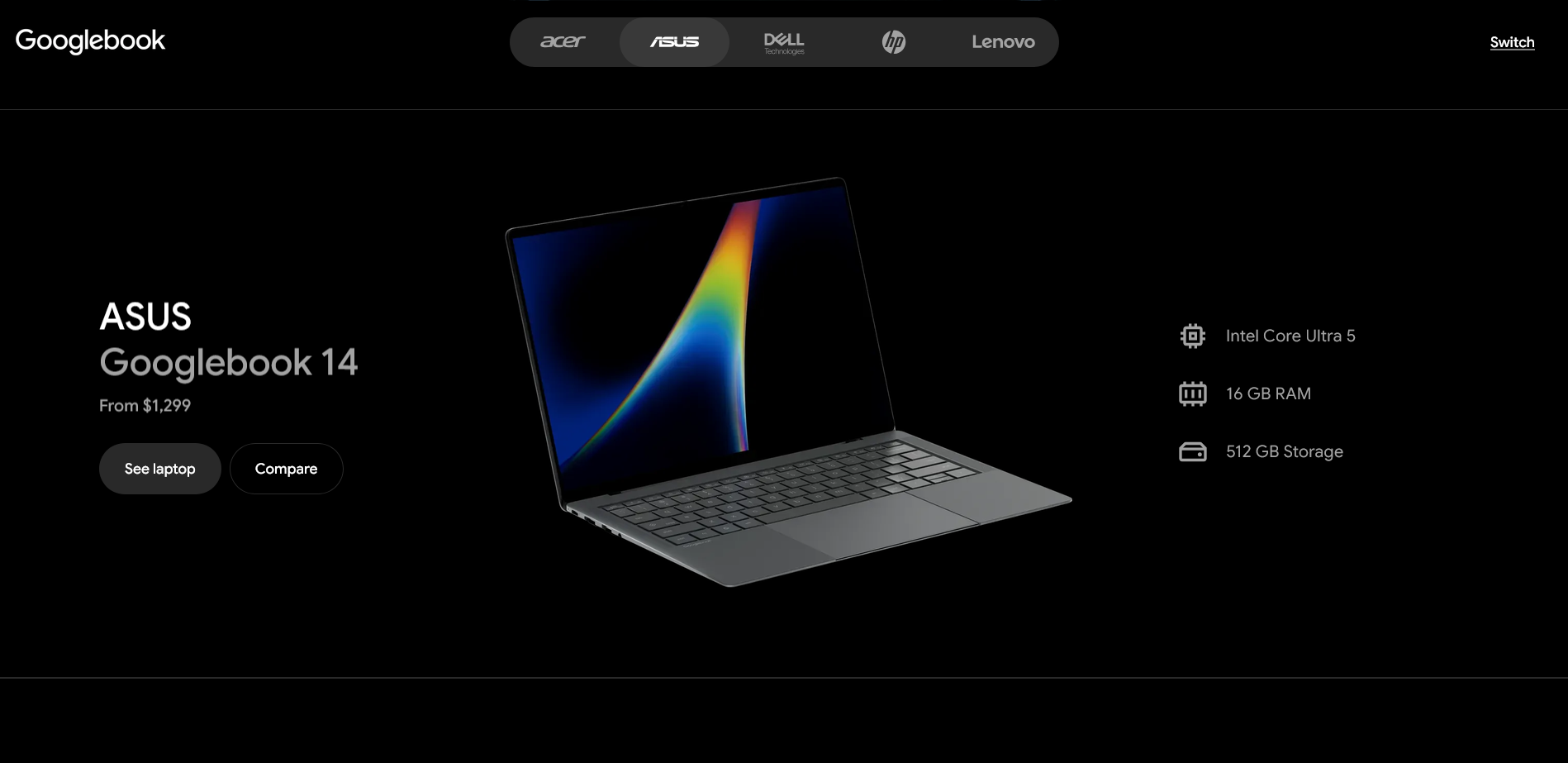
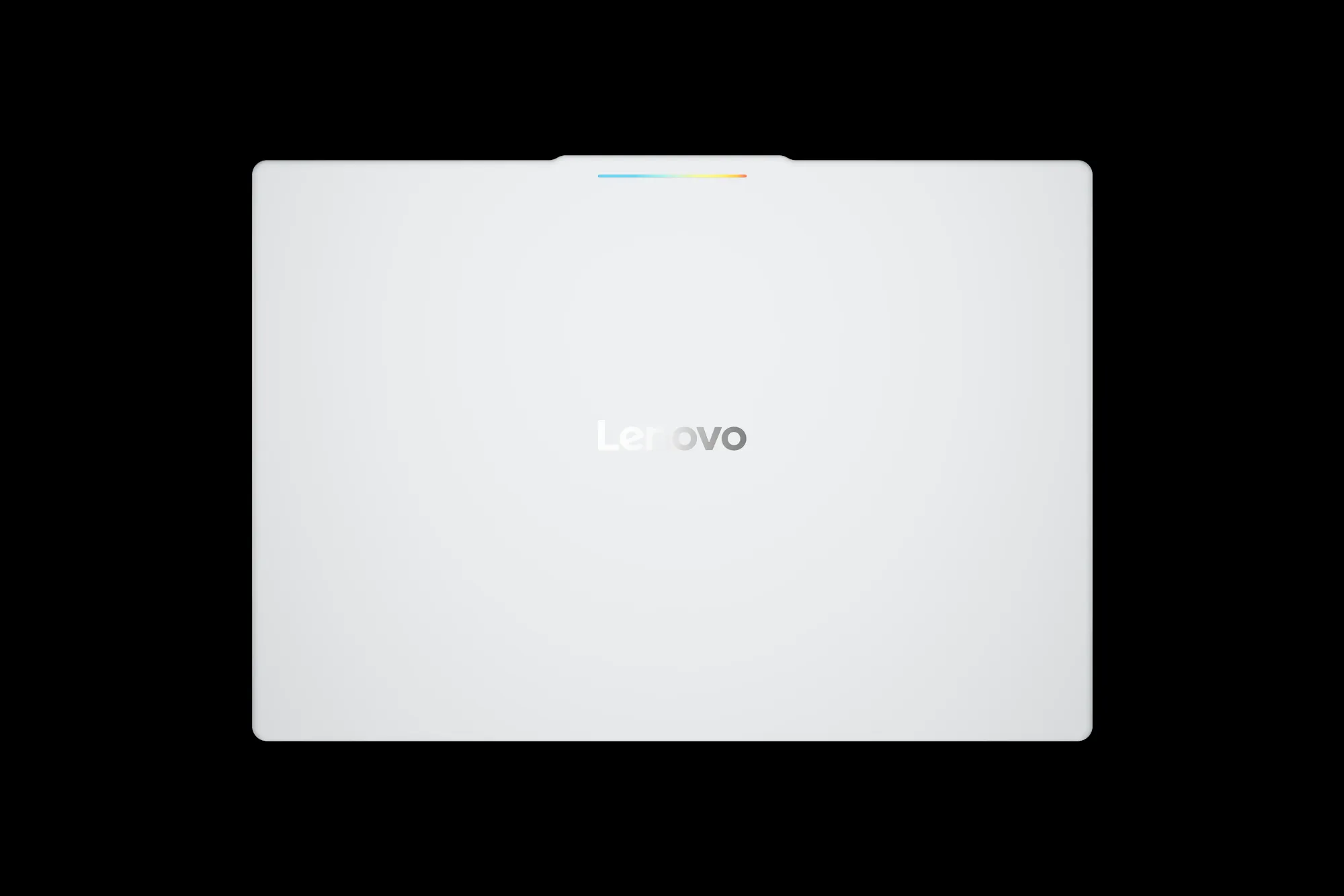
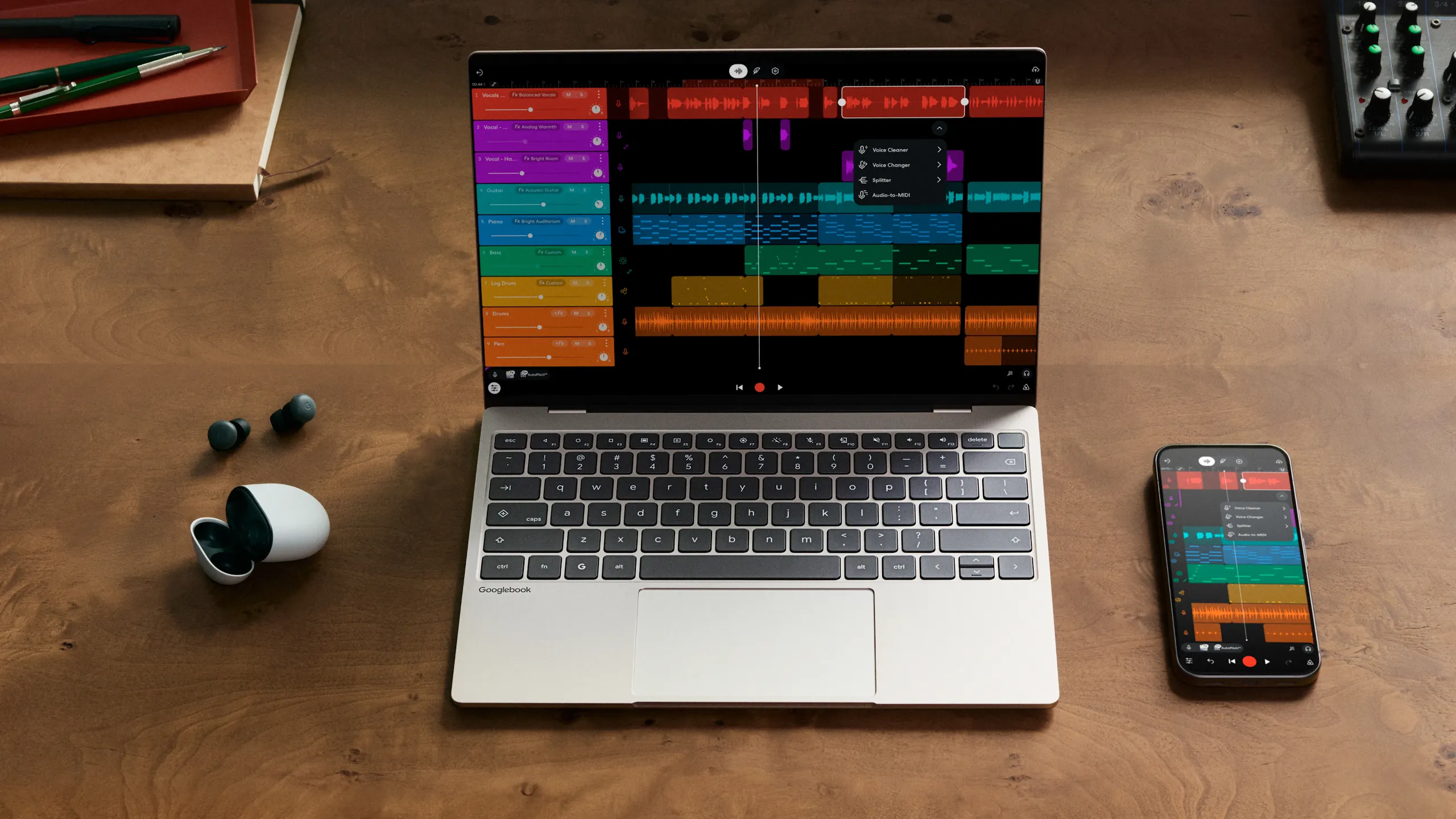
It's hard to find fault with Googlebook laptops . In fact, it's impossible, because they're not yet on sale and it's impossible to actually try them out. What also caught my attention about them is that Google isn't trying to produce them itself, and instead has approached five proven and experienced brands, led by HP and Lenovo. The displays of all devices are touch-sensitive, and the laptops work great with tablets and Android phones.
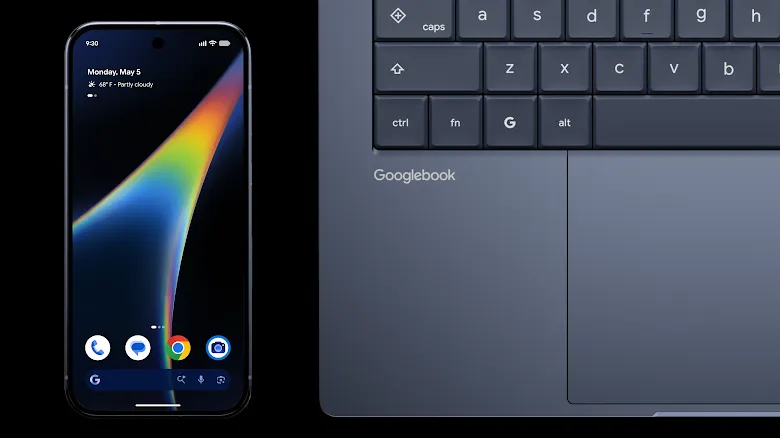
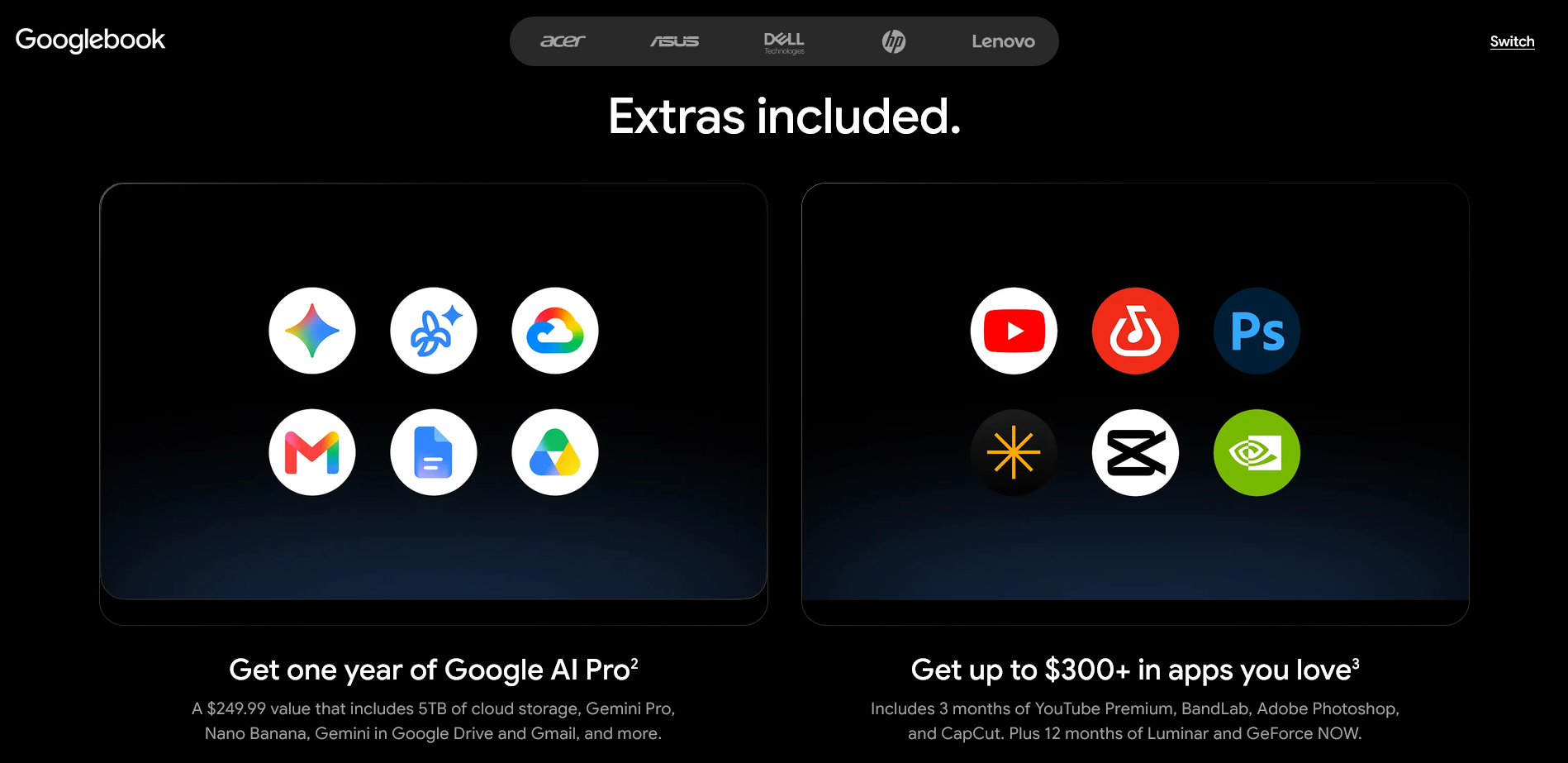
I was also pleased that the activity you do on your phone, for example, Galaxy, you can easily complete on the big screen. You can also open all application from your phone, without having to download them. And of course, there is also Gemini:, which is literally the heart (or rather the brain) of Googlebooks. And the price? I think it's very user-friendly. And yet I'd rather bet on a classic Chromebook without Android.
You might be interested in
The future of Googlebooks is uncertain
Googlebook is undoubtedly a very eye-catching and almost revolutionary initiative. Android has never made it to the desktop, and its only alternative is, for example, Samsung's DeX mode. But it's still a half-baked solution. So in this respect, Google has managed to do something exceptional. But I'm worried whether user interest will be as great as it seems with pre-orders.
The world of computers is clearly ruled by Windows a MacOS. Linux is only for enthusiasts and the question is whether people really want to have Android on their monitor. And whether they need it there. And whether they will be willing to wait until sufficient quantities reach the market variant of these laptops. The first five look interesting, but they will not satisfy the needs of every user. In contrast, for devices with Windows the selection is huge and it's not bad either ChromeOS.
Gallery
Additionally, ChromeOS is deeply integrated with Google apps, so I don't miss almost anything I have on my phone. phone hub In addition, it ensures full connectivity with the phone and there is no problem even mirroring applications. In addition, there is no lack of functions running on artificial intelligence and I especially like to use the one that looks like Circle to Search. And there is also Gemini:So I ask myself – why want something more and have to get used to a completely different look and feel of the system?
Google guarantees that Chromebooks 10 years of support, which is absolutely great. I won't even have my laptop for that long. Plus, it's likely that some variaThe operating system from the Googlebook will eventually be available on the Chromebook, and both systems will gradually merge. But gently and gradually. That's why I don't want to take the risk and wait in the crowd of eager enthusiasts. In my opinion, nothing is certain with the Googlebook yet - but with the Chromebook, I know what I'm getting into.