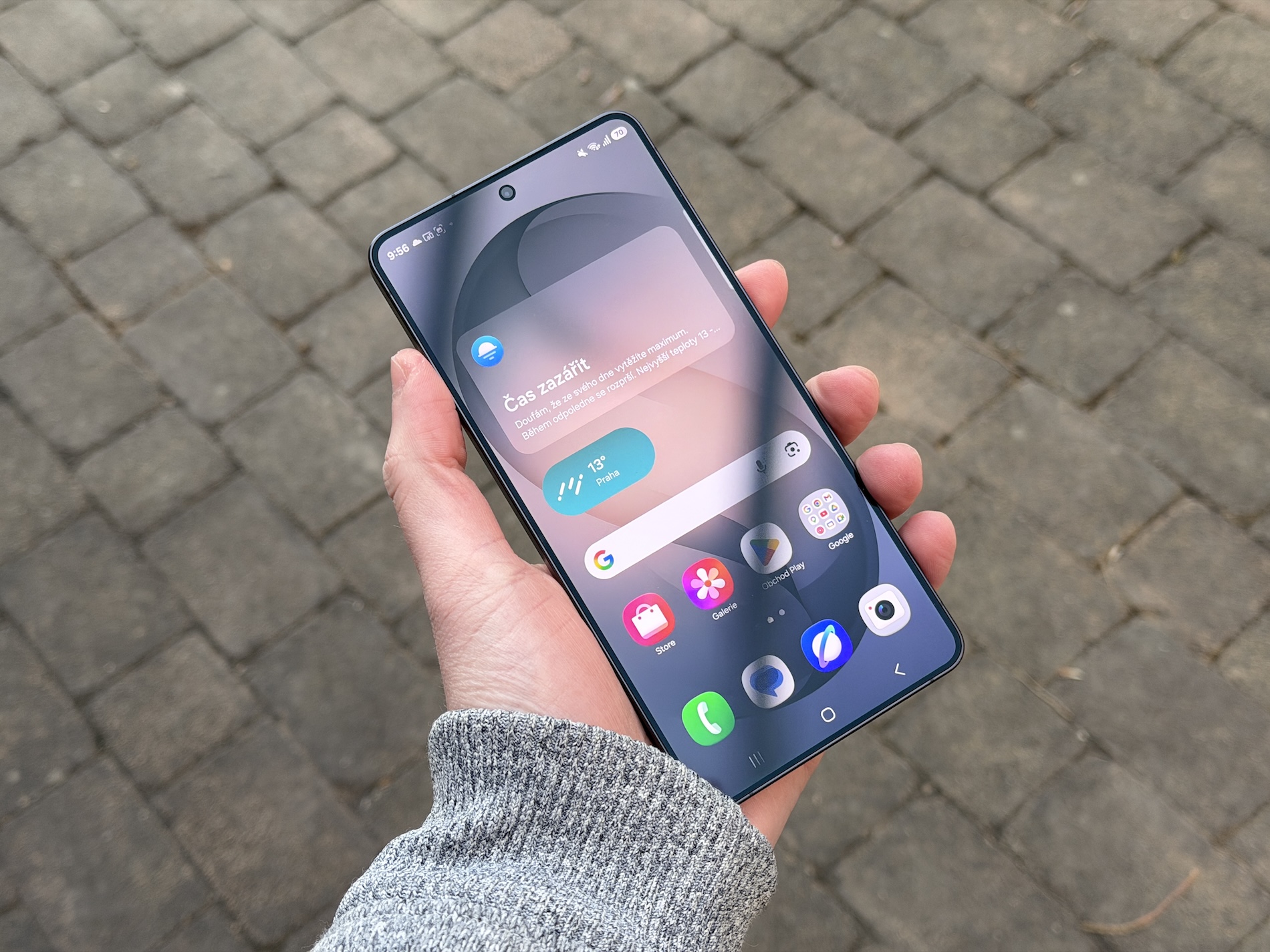
Komerční sdělení: Every Android flagship launched this year leads with the same two letters, yet most owners still cannot say what their phone’s AI actually does when the internet is switched off. The honest answer has changed dramatically. In 2026, a modern Android handset carries a dedicated neural processor capable of summarising your recordings, translating a live phone call, rewriting a clumsy message and erasing a stranger from your holiday photo — all without sending a single byte to a server. Here is what genuinely happens on the device, what still travels to the cloud, and why it matters more than megapixels when you choose your next phone.
The chip nobody advertises properly
Beside the familiar processor and graphics unit, every current flagship ships a third engine: the NPU, or neural processing unit. It is built for exactly one job — running AI models — and it does that job using a fraction of the energy the main processor would need. Qualcomm’s latest Snapdragon, Google’s Tensor and Samsung’s Exynos all devote a growing share of their silicon to it. The practical result: tasks that required a data centre three years ago now finish on a chip smaller than a fingernail, while the battery barely notices.
What actually runs on the phone in 2026
The list is longer than most people assume. Live translation of calls and conversations happens locally on recent Pixel and Galaxy models, which is why it works in airplane mode. Voice typing, recording summaries and smart replies run on compact language models stored on the device itself. Photo tools — object erasers, sky adjustments, sharpening of old shots — execute on the NPU in about a second. Gemini Nano, the small model Google ships inside Android, powers message drafting and screen-aware suggestions without a network round trip. None of this appears on a bill, and none of it stops working in a basement or on a flight.
What still needs the cloud, and why
Honesty requires the other half of the story. Ask your assistant to plan a complicated trip, reason through a long document or generate a detailed image, and the request almost always leaves the phone. Frontier-grade models remain far too large for any handset — the full versions occupy hundreds of gigabytes and want data-centre hardware. So 2026 phones practise a quiet division of labour: quick, private, personal tasks stay local; heavy thinking goes out. The better the on-device model, the more of your daily use stays on your side of the line — which is precisely where the flagships now compete.
Privacy is the real headline
The marketing focuses on speed, but the deeper shift is about custody of your data. A voice memo summarised locally is a memo nobody else ever received. A photo edited on the NPU never sat in an upload queue. For medical questions, workplace messages and family pictures, the difference between processed here and processed somewhere is not a technicality — it is the whole point. This is also why regulators and privacy-conscious buyers now read spec sheets differently: the amount of memory beside the NPU quietly decides how much of your life the phone can keep to itself.
Comparing how well each flagship handles this is harder than it sounds, because manufacturers describe identical features with different names and quote very different numbers. Independent roundups of the best AI phones of 2026 now test exactly this split — which features survive airplane mode, how much memory each variant really ships, and how the three big ecosystems compare on private, on-device processing — which makes them a more reliable compass than any launch keynote.
Memory: the specification that separates the field
If one number predicts a phone’s AI ability, it is RAM. An on-device language model must sit in memory to answer instantly, and it shares that space with your apps. This is why 2026 flagships jumped to 12, 16 and even 24 GB configurations, and why the cheapest variant of a flagship often ships a reduced AI feature set. Buyers comparing models should treat memory the way camera enthusiasts treat sensor size: the quiet specification that decides what the headline features can actually deliver.
Battery, heat and the honest trade-offs
On-device AI is efficient, not free. Long transcription sessions warm a phone noticeably, and image generation drains more battery than streaming video. Manufacturers manage this with scheduling tricks — heavy indexing waits for charging hours, and sustained loads shift between chip cores to spread the heat. In everyday use the cost is minor, but reviewers who run AI features back to back report the same pattern: the NPU is remarkably frugal for short bursts and merely reasonable for marathon work. Anyone planning to lean on AI all day should read battery tests with that distinction in mind.
How to shop for an AI phone without falling for stickers
The label on the box has become meaningless — every 2026 phone claims AI. Three questions cut through. First: which features run offline? Turn on airplane mode in the shop and try the translator or the recorder summary; the difference between platforms appears immediately. Second: how much RAM does the exact variant carry, since storage tiers sometimes hide memory differences. Third: how many years of software updates are promised, because on-device models improve with the operating system, and a phone abandoned after two years stops learning new tricks long before its hardware wears out.
Where this is heading
The direction for the next two years is already visible in developer previews: larger local models as memory grows, personal indexes that let the phone answer questions about your own messages and files entirely offline, and cooperation between nearby devices — a phone